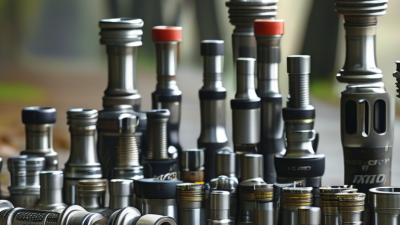
Choosing the right mountain bike bottom bracket can feel harder than selecting the crankset itself. Frame standards, spindle sizes, bearing designs, and installation methods must work together. A small mismatch may create play, noise, or premature wear on the trail.
Begin by checking your frame’s bottom bracket shell. Measure its width and identify whether it uses threaded cups or a press-fit system. Then confirm the crank spindle diameter and length. A 24 mm spindle, a 30 mm spindle, and a DUB system are not interchangeable without the correct parts. The manufacturer’s specification sheet is more reliable than a product photo or a vague online description. Take a clear picture of the existing shell before ordering.
Riding conditions also matter. Muddy trails and frequent water crossings can demand stronger seals and careful maintenance. Dry cross-country riding may place different demands on bearing efficiency and weight. Ceramic bearings sound attractive, but they are not automatically the best choice for every rider. In my workshop experience, correct fit and clean installation usually matter more than marketing claims. A poorly aligned press-fit shell can trouble even an expensive mountain bike bottom bracket. That detail is easy to overlook.
You should also consider available tools and service support. Some systems need specific adapters, torque settings, or extraction tools. Guesswork can damage delicate threads or carbon frames. If the standard remains unclear, pause and ask a qualified mechanic. The cheapest option may not be the most dependable one. Choose compatibility first, then durability, serviceability, and budget. There is no universal winner.
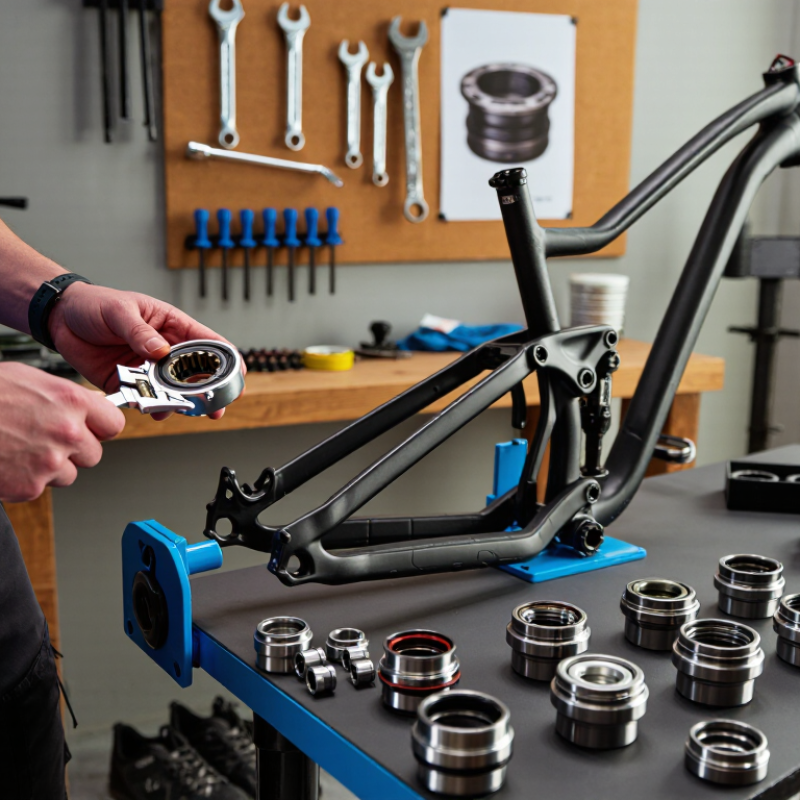
How to Choose a Mountain Bike Bottom Bracket?
Identify Your Mountain Bike’s Bottom Bracket Shell and Crank Standards
Choosing a mountain bike bottom bracket starts with the frame, not the crankset. Inspect the bottom bracket shell beneath the frame. Look for internal threads, press-fit cups, or a removable plastic sleeve. Common threaded shells measure 68 or 73 millimeters wide. Some frames use wider press-fit standards, such as 89.5 or 92 millimeters. Measure carefully after removing dirt and old grease.
The crank standard matters just as much. Measure the spindle diameter with calipers, then check its length and interface shape. A 24-millimeter spindle does not fit a bottom bracket designed for a 30-millimeter spindle. Splines, spacers, and crank arm spacing also affect compatibility. I have seen riders match shell width correctly but forget the required spacers. The result was side-to-side movement and poor shifting.
Tips: Record every measurement. Photograph the shell before removal. Check the frame manual when markings are unclear. Do not force a cup into a press-fit shell. A clean shell should accept the part smoothly, with firm but controlled pressure. If the old bearing feels rough, inspect the shell for corrosion or damage. My own mistake was trusting a faded measurement label years ago. Calipers would have prevented that error. When standards remain uncertain, a qualified bicycle mechanic can confirm the fit before installation.
Identify Your Mountain Bike’s Bottom Bracket Shell and Crank Standards
The chart compares typical nominal bottom bracket shell widths used on mountain bikes. Threaded BSA shells are commonly 68 or 73 mm wide, while press-fit systems include BB30 at 68 mm, PF30 at 73 mm, BB86 at approximately 86.5 mm, and BB92 at approximately 91.5 mm. After identifying the shell width and interface, confirm that the crank spindle standard—such as 24 mm or 30 mm—matches the selected bottom bracket.
A correct bottom bracket begins with shell width, not crank preference. Measure the frame shell with digital calipers, after removing the old unit. Common threaded mountain-bike shells measure 68 or 73 mm. Press-fit systems may measure about 89.5, 92, or 95 mm. Small differences matter. A 2 mm error can create poor chainline, bearing preload, or crank rubbing. The 2023 PeopleForBikes participation report recorded 112 million American cyclists in 2022. That scale highlights why reliable service measurements matter.
Next, check the spindle interface. Measure spindle diameter, length, and contact shape. Square-taper cranks follow the interface described by ISO 6695:2015. Other systems use splines or larger cylindrical spindles. Do not assume a wider spindle is better. Bearing clearance inside the shell can become limited. The crank manufacturer’s technical sheet should confirm compatibility, but the frame measurement remains your evidence.
Tips: Clean the shell faces first. Record width, thread type, and spindle diameter. A ruler is acceptable for a quick check, but calipers are safer. Photograph the old spacer arrangement before removal. I once trusted a familiar shell width and ignored the spacer stack; the crank sat several millimeters too far outward. That mistake was simple, and avoidable. ISO 4210-2:2015 also emphasizes controlled bicycle-component fit and safety testing, though it does not replace model-specific installation data.
Choosing a mountain bike bottom bracket starts with the frame’s shell design. The main choice is threaded or press-fit. Threaded units screw into metal threads inside the frame. They are usually easier to remove, inspect, and replace at home. They also tolerate small maintenance mistakes better. Press-fit units sit directly inside the frame shell. Their wider structure can reduce weight and support modern crank designs. However, installation must be precise.
In my workshop experience, most press-fit creaks come from dirt, poor alignment, or uneven pressing. The sound can feel like a loose crank, which makes diagnosis frustrating. I once replaced bearings too quickly and later found contaminated contact surfaces. That mistake changed my process. I now measure the shell, check the spindle standard, and inspect the frame before ordering parts. Compatibility matters more than the bearing’s appearance.
Tips: Confirm shell width and inner diameter first. Match the bottom bracket to your crank spindle. Use the correct press or removal tool. Never hammer a press-fit cup into place. Apply only the lubricant recommended for the frame and fitting. For threaded systems, clean the threads and tighten the cups evenly. A torque wrench is valuable, especially with lightweight components. If creaking continues after installation, check crank preload, spacers, and frame alignment before blaming the bearings. A professional inspection may prevent expensive damage.
Start with the bearing type, not the color or price. Sealed cartridge bearings suit most trail bikes because they resist mud and need little adjustment. Threaded bottom brackets are easier to inspect and replace at home. Press-fit systems can save weight, but alignment becomes more important. Small errors can cause creaks. I once blamed the crank, then found grit inside a poorly protected bearing.
Material choice should match your priorities. Stainless steel bearings handle moisture better than basic steel versions. They may last longer during wet rides, though they can feel slightly less smooth when contaminated. Ceramic hybrid bearings are light and efficient, but their higher cost does not guarantee longer service life. Aluminum cups reduce weight, while steel cups usually offer greater thread durability. Lightweight parts are not automatically better.
Riding conditions often decide the practical choice. Frequent rain, stream crossings, or muddy tracks require strong seals and regular cleaning. Dry, dusty trails demand protection against fine particles. Riders near salty roads should inspect the bearings more often, even when rotation feels smooth. Check shell width, axle size, and preload compatibility before ordering. A bearing that fits the frame may still mismatch the spindle. Service intervals are useful, but real conditions matter more. Listen for rough rotation, side play, or repeated creaking before a small problem damages nearby parts.
How to Choose a Mountain Bike Bottom Bracket?
Compatibility comes before bearing smoothness. The 2023 Outdoor Participation Trends Report recorded 54.7 million U.S. bicyclists in 2022. Many riders service bicycles at home. Small fitting mistakes can therefore become common, costly problems. Measure the frame shell with calipers. Record its width and inside diameter. Identify the interface: threaded or press-fit. Close is not compatible.
Check the crank spindle standard, spindle length, and required spacers before ordering. Confirm the frame’s shell dimensions against the bottom bracket’s technical sheet. Threaded systems may require different widths or thread directions. Press-fit systems need accurate cup dimensions and clean frame seats. Inspect for paint buildup, dents, or damaged retaining surfaces. Do not guess.
I once measured the shell but ignored the spindle length. That shortcut was wrong. The crank sat too far outward, and the chainline looked visibly poor. Check it twice. During installation, use the specified torque, suitable grease, and the correct pressing or removal tool. Excessive force can damage a frame or distort a cup. A 2024 cycling maintenance survey reported that incorrect installation remains a frequent cause of premature bearing noise. The figure deserves caution, because survey methods vary. Still, compatibility checks take minutes, while correcting a damaged interface may require professional inspection.
| Bottom Bracket Standard | Frame Shell Type | Nominal Shell Width | Approx. Shell Internal Diameter | Typical Crank Spindle Compatibility | Mountain Bike Applications | Important Compatibility Check |
|---|---|---|---|---|---|---|
| BSA / English Threaded | Threaded shell; 1.37 x 24 TPI thread | 68 mm or 73 mm | Not applicable; threaded shell | Depends on the selected cartridge or external-cup unit; common options include square-taper, 24 mm, and other manufacturer-specific spindle systems | Very common on hardtails, trail bikes, and many full-suspension frames | Confirm shell width, thread direction, spindle diameter, crankset spacing, and the required number of spacers |
| BB30 | Press-fit bearing system | 68 mm | 42 mm | 30 mm spindle systems designed for a 68 mm BB30 shell; adapters may be required for other spindle sizes | Used on selected performance-oriented frames | Verify the shell width and bearing location; do not confuse BB30 with PF30, which uses a different shell diameter |
| PF30 | Press-fit cups or bearings installed in the frame | 68 mm | 46 mm | 30 mm spindle systems; conversion cups can support other spindle diameters when specifically designed for PF30 | Found on some lightweight and high-performance frames | Measure or confirm the 46 mm shell diameter and check whether the frame requires internal or external bearing placement |
| PF86 / BB86 | Press-fit bearing system | 86.5 mm | 41 mm | Usually paired with 24 mm spindle systems or compatible conversion solutions | Common on some cross-country and trail frames | Confirm the 86.5 mm shell width and check the crank manufacturer’s spacer chart before installation |
| BB92 / PF92 | Press-fit bearing system | 92 mm | 41 mm | Commonly used with 24 mm spindle systems and selected compatible crank standards | Frequently used on mountain bike frames requiring a wider press-fit shell | Confirm the complete 92 mm shell width, crank spindle length, chainline, and spacer arrangement |
| T47 Threaded | Large-diameter threaded shell | Usually 68 mm, 73 mm, or another frame-specific width | Not applicable; threaded shell | Available for multiple spindle systems, but the cup depth and spindle length must match the specific frame and crankset | Used on selected modern frames that combine press-fit shell space with threaded serviceability | Confirm thread size, shell width, cup type, spindle diameter, and chainline; T47 units are not interchangeable with BSA units |
| Specialized Downhill Press-Fit Standards | Press-fit shell with a wider frame interface | Approximately 83 mm, 104.5 mm, or another frame-specific width | Varies by standard | Longer spindle and wider chainline systems intended for downhill or high-load applications | Downhill and gravity-oriented frames | Use the frame documentation and crankset specification; standard 68 mm, 73 mm, or 92 mm units are not suitable without confirmed compatibility |
| 1. Frame shell standard | Identify whether the frame uses threaded, BB30, PF30, PF86, BB92, T47, or a frame-specific press-fit shell. |
| 2. Shell width and diameter | Measure the shell width and internal diameter, or verify both values in the frame service documentation. |
| 3. Crank spindle diameter | Match the bottom bracket bearing opening to the crank spindle; a similar-looking bottom bracket may still be incompatible. |
| 4. Spindle length and chainline | Confirm crank spindle length, chainring position, front derailleur requirements where applicable, and the intended rear spacing. |
| 5. Spacers and seals | Follow the crankset and bottom bracket spacer diagram; incorrect spacing can cause preload, chainline, or bearing problems. |
| 6. Installation method | Threaded units require the correct tool and torque; press-fit units require clean, undamaged interfaces and a suitable press. |
This website uses cookies to ensure you get the best experience possible. Learn more.