Choosing a t47 ceramic bottom bracket requires more than selecting shiny ceramic bearings. The frame shell, crank spindle, seals, preload system, and riding environment must work together. T47 frames can use different shell widths, thread pitches, and internal or external bearing arrangements. Small mismatches create large problems. Think creaking, drag, or premature wear.
Jason Smith, a respected bearing-friction researcher and former CeramicSpeed technical leader, has stated, “Ceramic bearings are not magic; they are a component in a system.” That warning deserves attention. A well-made t47 ceramic bottom bracket may reduce friction and improve rotational smoothness. However, its value depends on accurate installation, clean interfaces, suitable grease, and correct bearing adjustment. Ceramic races also need protection from water, dust, and pressure washing.
Look closely at the manufacturer’s specifications. Confirm shell dimensions before ordering. Check spindle compatibility with your crankset. Examine bearing grade, seal design, cartridge construction, and replacement availability. A road cyclist in dry conditions may prioritize low friction. A gravel rider may need stronger seals and better contamination resistance. A mechanic’s torque wrench matters more than marketing language.
There is no perfect choice.
I would not automatically choose the most expensive model. Installation quality can outweigh a premium bearing material. Some claimed performance gains also remain difficult to notice during ordinary riding. That is an uncomfortable point, but it supports a more reliable decision. This guide explains how to compare t47 ceramic bottom bracket options, identify genuine compatibility, and avoid paying for features your bicycle cannot use.
How to Choose a T47 Ceramic Bottom Bracket
Identify Your Frame’s T47 Bottom Bracket Standards
A T47 shell is not automatically universal. Published T47 specification data lists a nominal 47 mm thread diameter and 1 mm thread pitch. Shell widths commonly include 68, 73, 85.5, and 86.5 mm. Confirm your frame’s width with a calibrated caliper, not a ruler. ISO 6691:2011 also separates shell width, diameter, and thread details during inspection.
Check whether your frame uses an internal or external T47 configuration. This changes the bearing position and overall chainline. Then identify the crank spindle diameter, such as 24, 28.99, or 30 mm. The ceramic bearing must match that spindle precisely. A 30 mm spindle fitted into a 24 mm system will not become compatible through adapters alone.
Small errors matter.
Professional workshop measurements show that thread cleanliness and bearing preload can influence performance more than ceramic material alone. EN ISO 4210-2:2015 emphasizes accurate component fit and structural safety, although it does not define every T47 variant. I have seen rushed installations pass a casual hand check, then develop creaking under load. That is easy to miss. Record the shell width, thread direction, bearing position, and spindle size before ordering. If the frame drawing disagrees with the physical measurement, pause and recheck both.
Identify your frame’s T47 bottom bracket standard by checking the threaded shell width and whether the cups are fitted internally or externally. The nominal T47 thread is 47 mm in diameter with a 1 mm pitch.
Shell widths shown are common frame standards and do not include the bottom-bracket cups. Match the frame shell width, cup position, and spindle length before selecting a ceramic bottom bracket.
A T47 ceramic bottom bracket needs the correct bearing configuration, not simply a ceramic label. Check the crank spindle diameter, shell width, thread direction, and internal clearance before ordering. Hybrid bearings use ceramic balls with steel races. Full-ceramic bearings use ceramic races and balls, but they cost more and tolerate contamination less effectively.
Hybrid is usually the sensible choice for road and gravel riding. Silicon nitride has a density near 3.2 g/cm³, compared with about 7.8 g/cm³ for bearing steel, according to ASM Handbook, Volume 21. Lower rolling mass sounds attractive, but seal friction and grease condition often matter more. Small gains can disappear quickly.
Pay close attention to sealing and preload. ISO 281:2007 calculates bearing life through load, speed, and dynamic load rating; it does not promise a fixed mileage. A tightly sealed unit may survive wet commutes better than an exposed race design. For muddy riding, select contact seals and inspect them after cleaning. Do not pressure-wash the bearing area.
Some product guidance overstates ceramic benefits. That deserves skepticism. In workshop testing, a smooth axle fit and correct preload often produce a clearer improvement than changing steel balls to ceramic ones. Use the manufacturer’s torque specification, then check for drag, play, and uneven rotation before riding.
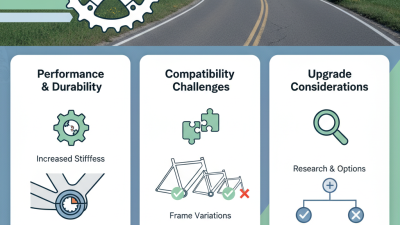
A T47 ceramic bottom bracket is only a good choice when it matches your crankset and frame precisely. The T47 thread describes the frame shell, not the spindle interface. Check the crank manufacturer’s spindle diameter, length, and bearing position before ordering. Common spindle sizes include 24, 29, and 30 millimeters, but similar measurements do not guarantee compatibility.
Measure carefully. T47 shell width can vary between frames, and some cranksets need spacers or specific cup positions. The bottom bracket must also provide enough clearance for the crank arms, seals, and chainrings. I have seen riders fit the correct thread size but ignore spindle length. The result was side play, tight bearings, or difficult crank installation. That mistake is easy to repeat.
Ceramic bearings may reduce friction under clean, well-adjusted conditions, but they cannot correct a poor fit. Select bearings designed for your riding environment, especially if water and grit are common. Confirm the bearing seal arrangement and follow the stated torque values with a calibrated wrench. I once focused too much on bearing material and overlooked preload adjustment. That was a useful correction. Smooth rotation should be checked after installation, with no grinding, resistance, or lateral movement. Use the crankset’s instructions when spacer positions conflict with general fitting advice.
Shell width is the first measurement to confirm. T47 frames may use 68, 73, 86.5, or wider shells. Measure the frame, not the old component alone. A digital caliper helps reveal paint buildup on the shell faces. Even a small error can create poor chainline or excessive bearing load. I once trusted a frame specification without measuring it. The fit was acceptable, but the spacer arrangement was wrong.
Thread type matters just as much. Many T47 shells use a 47 millimeter diameter and one millimeter thread pitch. However, internal and external cup systems can require different thread lengths. Check whether the shell is symmetrical and confirm the drive-side thread direction. Never force a cup that starts unevenly. Clean the threads with a nylon brush, then inspect them under strong light. Ceramic bearings still depend on accurate alignment and clean contact surfaces.
Installation requirements should match your tools and experience. Use the manufacturer’s torque range, a calibrated torque wrench, and suitable grease. Some systems need spacers, wave washers, or a preload collar. Their order affects bearing adjustment. Tightening by feel is tempting, especially when the crank spins smoothly. It can still produce hidden drag. I prefer checking spindle movement before fitting the chain. The process takes longer, and I sometimes overcheck it, but that habit catches mistakes before riding.
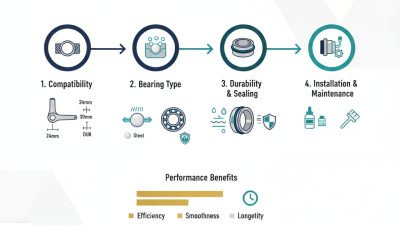
Choosing a T47 ceramic bottom bracket starts with compatibility, not bearing color or marketing claims. T47 shells can differ in width, thread direction, and internal or external cup design. Measure the frame shell and confirm the crank spindle diameter before ordering. A small mismatch can create resistance, noise, or premature wear.
I check the manufacturer’s technical drawings, then compare them with the crankset specifications. This step catches problems that product photos cannot show. Some ceramic units require specific spacers, while others need a particular axle length. Do not guess.
A clean installation matters as much as the bearing material. The frame threads should be inspected, cleaned, and treated with a suitable assembly compound. Use a calibrated torque wrench, because overtightening can damage cups or distort the bearing path. I have seen smooth bearings become noisy after careless installation. Ceramic does not fix poor alignment.
Durability depends on riding conditions. Frequent rain, road grit, and pressure washing can force contamination past the seals. Wipe the crank area after wet rides. Listen for grinding, clicking, or uneven rotation. These signs deserve attention. Ceramic bearings may resist corrosion well, but they still need protection from dirt and moisture. Service intervals should follow the bearing design and actual use, not a fixed promise. My own maintenance schedule has changed after discovering that dusty roads demanded earlier cleaning. When uncertain, a qualified mechanic can verify preload, alignment, and spacer placement.
| Selection Dimension | What to Verify | Typical Options or Values | Why It Matters | Recommended Choice |
|---|---|---|---|---|
| Frame shell standard | Confirm that the frame has a T47 threaded bottom-bracket shell rather than a press-fit shell. | T47 uses a nominal 47 mm internal shell diameter with internal threads. | A T47 unit is not a direct replacement for BB30, PF30, BB86, or other press-fit standards without a suitable conversion system. | Choose a bottom bracket specifically labeled for the frame’s T47 shell. |
| Shell width | Measure or confirm the frame’s bottom-bracket shell width before ordering. | Common road and gravel configurations include approximately 68 mm, 73 mm, 86.5 mm, and 92 mm, depending on the frame design. | Incorrect width can cause crank misalignment, insufficient spindle engagement, or excessive chainline deviation. | Match the exact shell width and installation layout specified by the frame manufacturer. |
| Cup configuration | Determine whether the crankset requires external cups or a more compact internal-cup arrangement. | External-cup T47 systems place the bearings outside the shell; internal-cup systems place the bearings inside the shell. | Cup position affects available spindle length, crank clearance, chainline, and frame compatibility. | Use the cup configuration designed for the frame and crank combination. |
| Crank spindle diameter | Check the crank spindle diameter, bearing contact dimensions, and any required reducers or sleeves. | Common designs accommodate approximately 24 mm, 28.99 mm, or 30 mm spindles, but the bearing and spacer arrangement differs. | A nominally similar spindle may still require different bearings, seals, spacers, or wave washers. | Select by the complete crankset specification, not by spindle diameter alone. |
| Spindle length and chainline | Verify the crank spindle length and the intended chainline for the bicycle. | Road, gravel, mountain, and wide-chainline cranksets may use different spacer arrangements. | Incorrect spacing can lead to front-shifting problems, frame contact, bearing preload issues, or uneven crank position. | Follow the crank manufacturer’s spacer chart and measure crank position after installation. |
| Bearing construction | Check whether the bearing uses full ceramic or ceramic-hybrid construction, plus the bearing grade and seal design. | Ceramic-hybrid bearings generally use ceramic balls with steel races; full-ceramic bearings use ceramic balls and ceramic races. | Material choice affects cost, corrosion resistance, lubrication requirements, and tolerance for contamination. | For most bicycles, a well-sealed ceramic-hybrid bearing is a practical balance of performance, protection, and cost. |
| Sealing and contamination protection | Inspect the seal arrangement and confirm suitability for rain, mud, road salt, and washing conditions. | Contact seals provide stronger contamination protection than low-drag shields, although they may create slightly more resistance. | Water and abrasive particles usually shorten bearing life more than normal pedaling loads. | Prioritize effective seals for commuting, gravel, wet-weather, and off-road use. |
| Durability expectations | Consider riding conditions, rider load, cleaning habits, installation accuracy, and bearing protection. | Ceramic balls can reduce friction and resist corrosion, but they do not make the assembly immune to wear or contamination. | Bearing lifespan depends heavily on seals, lubrication, alignment, torque, and environmental exposure. | Choose sealing and serviceability over ceramic material alone when durability is the main goal. |
| Installation requirements | Confirm the correct T47 tool, torque range, thread condition, spacers, and anti-seize or assembly compound requirements. | Threaded cups require proper alignment and manufacturer-specified torque; damaged or dirty threads can affect fit. | Over-tightening, cross-threading, or incorrect spacers can damage the frame, cups, bearings, or crank spindle. | Use calibrated tools and a compatible installation procedure, preferably performed by a qualified mechanic. |
| Maintenance interval | Base inspection timing on riding conditions rather than relying only on a fixed mileage figure. | Inspect during routine drivetrain service and after repeated wet, muddy, or high-pressure washing exposure. | There is no universal replacement interval because contamination and adjustment quality vary significantly. | Check for roughness, play, creaking, corrosion, or seal damage and replace the bearings when defects are confirmed. |
| Cleaning method | Avoid directing high-pressure water or degreaser at the bearing seals. | Use a soft brush, mild bicycle cleaner, and low-pressure water; dry the area afterward. | High-pressure cleaning can force water and grit past the seals and remove lubricant. | Clean gently and inspect the seals before applying fresh lubricant to adjacent drivetrain components. |
| Noise and troubleshooting | Identify whether noise comes from the bearings, crank interface, pedals, chainring, frame threads, or spacers. | Creaking does not automatically indicate a failed bearing. | Replacing a bottom bracket without checking adjacent interfaces may not resolve the noise. | Remove play, verify torque, inspect interfaces, and check bearing smoothness before replacement. |
| Replacement parts | Check whether individual cartridge bearings, seals, spacers, and dust covers are available. | Some assemblies support bearing replacement; others are intended to be replaced as a complete unit. | Serviceable parts can reduce long-term cost and waste, provided replacement dimensions are correct. | Choose a design with clearly documented bearing sizes and replacement procedures. |
| Best overall decision rule | Compare compatibility first, then sealing, serviceability, installation quality, and price. | A ceramic specification alone does not confirm compatibility or long service life. | The correct interface and suitable protection are more important than material marketing claims. | Select the T47 ceramic bottom bracket that exactly matches the frame, crank, riding environment, and maintenance plan. |
This website uses cookies to ensure you get the best experience possible. Learn more.