Why are thc vape products restricted in many markets, even where regulated cannabis sales are permitted? The answer often involves product safety, uncertain ingredients, youth access, and uneven quality controls. A THC vape is not simply a device and a label. Its oil, cartridge, heating element, and manufacturing process can all affect exposure. Regulators therefore assess the whole product chain, not just its advertised contents.
The CDC’s 2020 analysis of the 2019 EVALI outbreak reported that 82% of affected patients said they had used THC-containing products. The finding needs careful context: it describes patients in an outbreak, not the risk of every product or every user. Still, it shaped public-health scrutiny. CDC Principal Deputy Director Dr. Anne Schuchat said, “These findings provide direct evidence that vitamin E acetate is the primary cause of the EVALI outbreak.” That evidence linked a specific additive to serious lung injury; it did not establish that every THC vape product contained it.
That distinction matters. So does the gap between a rule on paper and consistent testing in practice. Market restrictions may reflect different judgments about evidence, product standards, and enforcement capacity. The science continues to develop, and policy can lag behind new findings. A careful explanation should separate documented harms from assumptions, while asking what testing and transparency would make products safer. The details matter.
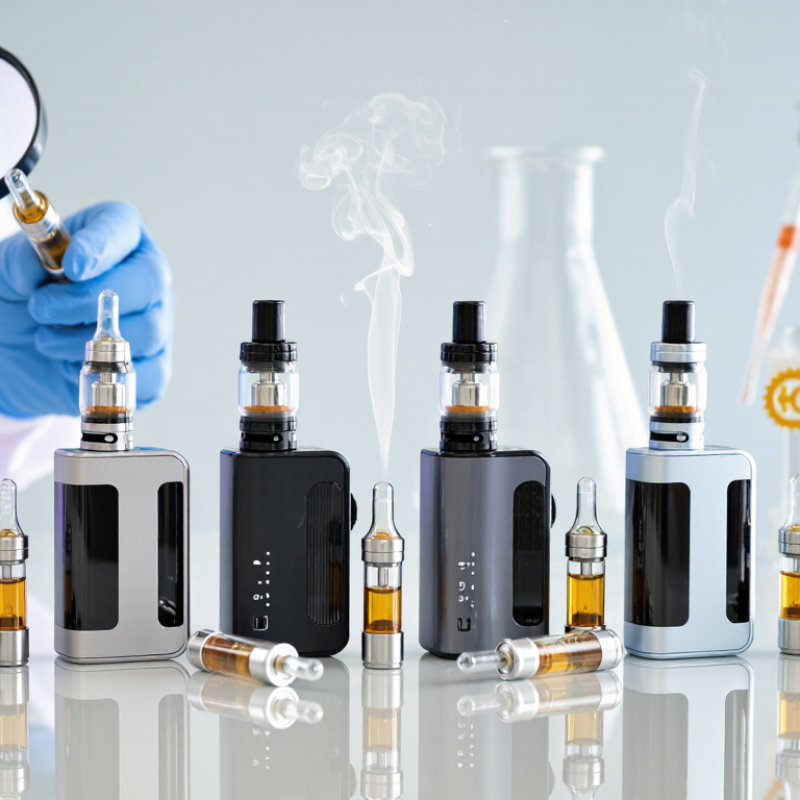
THC vape products combine cannabinoids, a liquid or oil, and a heating device. The cannabinoid profile can differ, so a label should identify THC content and other listed ingredients clearly. The device matters, too. Battery quality, temperature control, and materials that contact the oil can affect reliability. Small details count.
Restrictions often reflect concerns about potency, accidental exposure, product consistency, and contamination. Supply chains can involve cultivation, processing, testing, packaging, and retail, with checks at each stage. If records are incomplete, tracing a batch becomes harder. Testing by qualified laboratories can help verify ingredients and screen for unwanted substances, but testing is not a promise of zero risk. Rules vary by location, and products should only be handled or purchased where permitted.
Tips: Read the full label, check for batch-specific test information, and inspect packaging for damage. Keep products away from children and pets. Do not use a device with a swollen battery or unusual heat. I would still treat unclear labels as a reason to pause.
Why Are THC Vapes Restricted in Many Markets?
THC vape controls often focus on potency, product safety, and access by young people. Concentrated liquids can deliver high amounts of THC in a few inhalations. Yet labels may not make dose or effects easy to judge. The evidence is not perfectly tidy. A person’s response can also vary with tolerance, health, and how much they inhale.
Contamination concerns became concrete during the US lung-injury outbreak. The CDC’s February 2020 update recorded 2,807 hospitalizations and 68 deaths. Among affected patients who reported using THC products, 82% said they had used them. The investigation linked vitamin E acetate to the outbreak, but this does not mean every THC vape contains it. It does show why regulators examine ingredients, manufacturing controls, and independent testing.
Youth access adds another concern. The National Institute on Drug Abuse’s 2023 Monitoring the Future report found past-year cannabis use among 8.3% of eighth graders, 17.8% of tenth graders, and 26.0% of twelfth graders. These figures cover cannabis use, not vaping alone, so they should not be read as vape-use rates. Still, they underline why age checks, secure packaging, and limits on appealing designs matter. A package can look harmless on a counter. That impression deserves scrutiny.
| Control concern | What the evidence shows | Typical regulatory response | Why restrictions are used |
|---|---|---|---|
| High THC potency and dose uncertainty | THC can impair attention, coordination, and reaction time. The amount delivered can vary with product concentration, device, and how a person uses it. Higher-potency products can make it easier to consume a large dose quickly. | Where THC vapes are legal, rules may require potency disclosure, serving or package limits, and product testing. Other jurisdictions prohibit or tightly control THC products altogether. | Controls aim to reduce accidental overconsumption and make product strength clearer to consumers. Cannabis laws and specific potency limits differ by jurisdiction. |
| Contamination and unregulated ingredients | During the 2019 U.S. EVALI outbreak, the CDC found vitamin E acetate in lung-fluid samples from patients investigated. THC vaping products—particularly those obtained from informal sources—were strongly associated with the outbreak. This finding does not mean that all THC vape products contain vitamin E acetate. | Regulated markets may require licensed production, ingredient restrictions, laboratory testing, and batch tracking. Products from informal or illegal supply chains may not receive these checks. | Controls are intended to reduce exposure to harmful additives and contaminants and to make products traceable if a safety problem arises. |
| Youth access and appeal | Public-health guidance identifies adolescence as a period of ongoing brain development and warns that cannabis use during this stage can affect health and development. Youth access can also be influenced by concealability, product design, and social sources. | Common measures include minimum-age sales rules, age verification, restrictions on marketing and packaging, and penalties for selling to underage people. Requirements vary by market. | These measures seek to limit youth access and reduce the likelihood that vaping products are promoted or sold to minors. |
| Different laws and inconsistent standards | THC is regulated differently across countries and within some countries. A product permitted in one jurisdiction may be prohibited in another, and testing or labeling requirements are not uniform worldwide. | Governments may prohibit THC vape products or permit them only through a licensed, regulated cannabis system with rules for manufacture, sale, labeling, and testing. | Restrictions reflect both public-health concerns and local controlled-substance laws. Legal status should be checked for the specific jurisdiction. |
| Useful public-health references | U.S. Centers for Disease Control and Prevention: E-cigarette, or Vaping, Product Use-Associated Lung Injury (EVALI); CDC: Cannabis and the Developing Brain; CDC: Cannabis and Driving. | ||
By February 18, 2020, the CDC had recorded 2,807 EVALI hospitalizations and 68 deaths. These figures made the risk difficult for regulators to dismiss. In a CDC-led study published in the New England Journal of Medicine, vitamin E acetate was found in lung-fluid samples from 48 of 51 EVALI patients. It was not found in samples from 99 healthy comparison participants. The findings pointed to a serious association, though they did not prove every vaping product carried the same risk.
That distinction matters. EVALI cases were linked mainly to THC-containing products, and the CDC cautioned against assuming all products had equal ingredients or effects. Still, uneven product testing and limited ingredient transparency made oversight harder. Restrictions in many markets reflect this uncertainty, alongside concerns about youth access and acute lung injury. Public-health evidence can guide policy, but it does not answer every question. That part remains uncomfortable.
Tips: Treat reported case counts as a public-health warning, not a personal risk estimate. Check official health-agency updates, and seek medical care for breathing difficulty or chest pain after vaping.
In markets where adult-use THC products are legally authorized, licensing rules often determine who may manufacture, test, distribute, and sell vape products. Regulators may require permits, staff training, facility inspections, and records that trace each batch through the supply chain. Testing can check potency and screen for contaminants, with results linked to a specific production batch. Details matter. Requirements differ by location and can change, so a label or test document accepted in one market may not meet another market’s rules.
Packaging and sales rules add another layer. Products may need child-resistant, tamper-evident containers, clear ingredient and potency information, and required health warnings. Packaging and advertising may also face limits intended to reduce youth appeal. Retailers commonly must verify customers’ age, follow local sales-hour rules, and use approved locations or delivery systems. Online sales can face extra conditions, even where they are permitted. These safeguards are meant to support informed adult choices and reduce accidental exposure. Still, the rules can feel uneven, especially when testing standards or warning formats differ across borders. That inconsistency deserves careful review by regulators and licensed sellers.
Restrictions on THC vape products are a regulatory trade-off, not a simple yes-or-no decision. Where authorized, legal access can bring age checks, ingredient standards, and traceable batches. Restrictions may reduce exposure, but demand does not disappear automatically. That gap deserves attention.
The CDC’s February 2020 EVALI update counted 2,807 U.S. hospitalizations and 68 deaths. CDC and FDA investigations linked the outbreak largely to THC-containing products from informal supply channels, with vitamin E acetate strongly implicated. This is not a measure of risk for every regulated product. It does show why traceability, rapid recalls, and transparent testing matter. SAMHSA’s 2023 National Survey on Drug Use and Health estimated that 61.8 million people aged 12 or older used cannabis in the past year. That broader figure signals the scale of oversight, not vape use specifically.
Ongoing monitoring should connect lab results with poison-center calls, emergency department data, and consumer surveys. Regulators also need consistent rules for labels, contaminants, and age verification. Measures can miss things. Self-reported use is imperfect, and product formulas change faster than many surveillance systems. A cautious policy should review evidence regularly, publish uncertainty plainly, and adjust controls without treating all products as identical.
This website uses cookies to ensure you get the best experience possible. Learn more.