What is a Threadless Bottom Bracket and Why Does It Matter?
The world of cycling is full of technical jargon. One crucial term that often surfaces is "threadless bottom bracket." This component plays a significant role in bike performance and rider experience. Unlike traditional bottom brackets, threadless options offer unique installation methods and structural benefits.
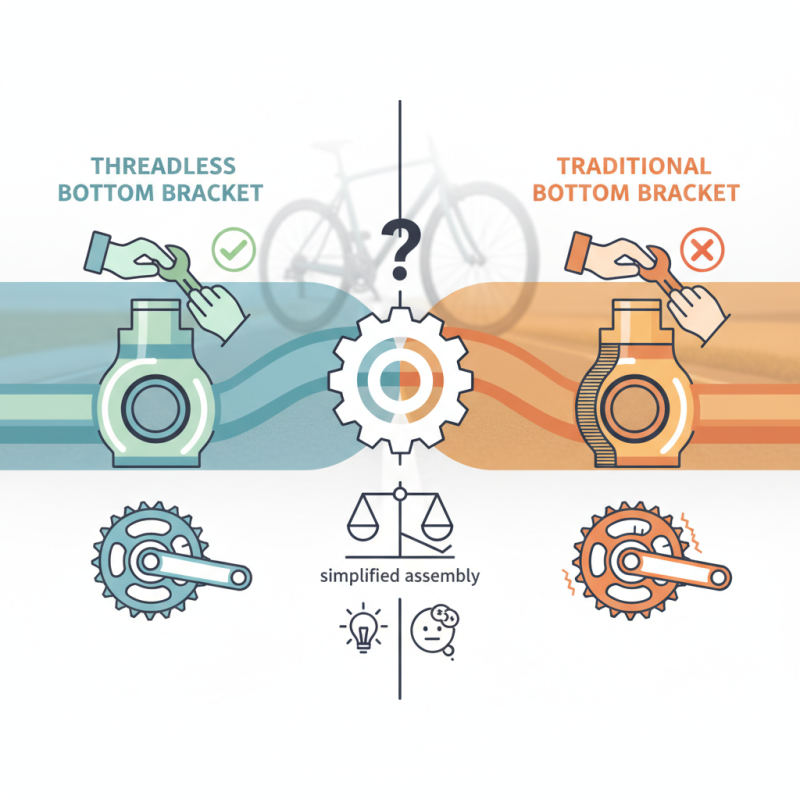
A threadless bottom bracket simplifies assembly and maintenance. Riders can benefit from consistent performance without dealing with threaded fittings. This design reduces the risk of cross-threading, which can lead to damage. However, it also brings its own challenges and requires specific tools. Not all mechanics are familiar with this system, creating potential issues during repairs.
Choosing a threadless bottom bracket can feel daunting. There is a blend of advantage and complexity. Many cyclists are unaware of how it might affect their ride quality. Riders must consider compatibility with their bikes. The more they learn, the more informed their choices become. Balancing these details is essential for a successful cycling experience.
What is a Threadless Bottom Bracket?
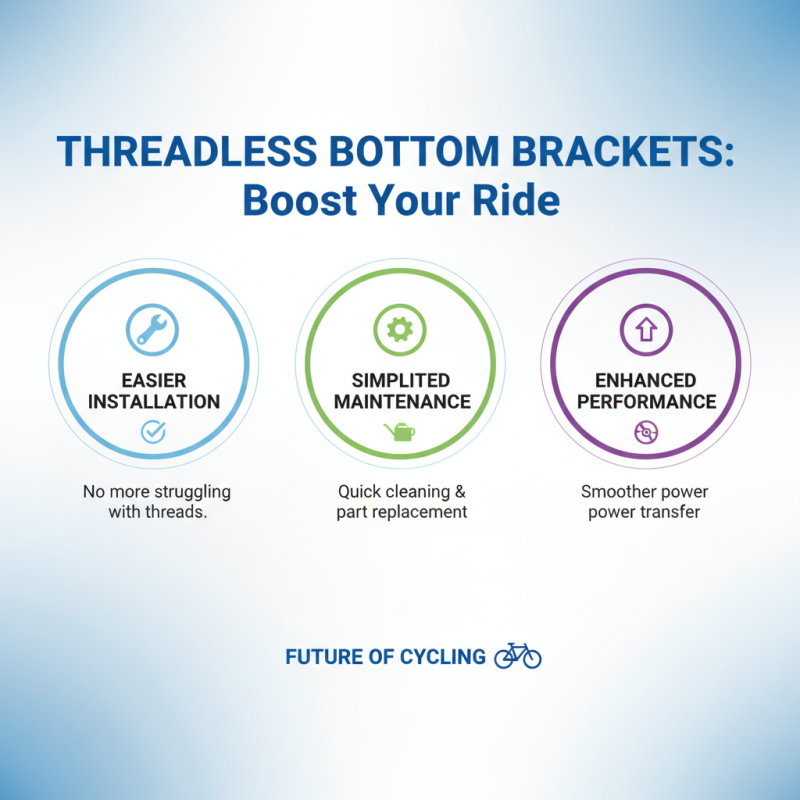
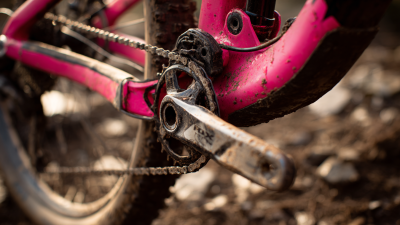
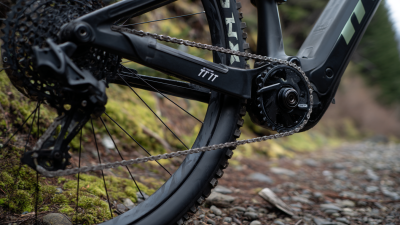
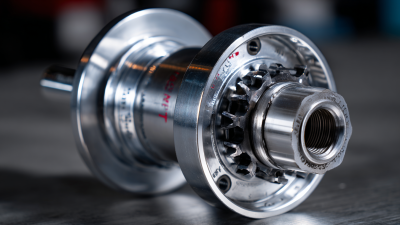
A threadless bottom bracket is a component used in many bicycles. It allows for easier installation and maintenance. Unlike traditional bottom brackets, it eliminates the need for threaded cups. This innovation simplifies the design and enhances the bike's performance.
Installation can be tricky for some. It's crucial to ensure that everything fits just right. If misaligned, it could lead to issues. The ease of adjustment is a double-edged sword. While it's convenient, improper adjustments can affect riding quality. A balance is necessary for optimal outcomes.
Threadless designs also contribute to weight reduction. Lighter bikes often perform better and are easier to handle. However, some cyclists may prefer the traditional approach. They feel it offers more security in terms of durability. It's a personal choice, often leading to debates among bike enthusiasts. Riding experiences vary significantly based on these choices.
Comparison of Bottom Bracket Types
This chart compares the weight of various bottom bracket types commonly used in bicycles. As shown, the threaded bottom bracket is the heaviest, while the press-fit option is the lightest. Understanding these differences is crucial for cyclists when selecting components that balance performance and weight.
Advantages of Threadless Bottom Brackets Over Traditional Designs
Threadless bottom brackets are gaining popularity in the cycling world, thanks to their unique design. Unlike traditional models, threadless bottom brackets offer several advantages. They eliminate the risk of cross-threading during installation. This leads to improved ease of use for both professional mechanics and cycling enthusiasts.
Another key benefit is the potential for enhanced stiffness. Research indicates that threadless designs can provide better structural integrity. This results in improved power transfer from the pedals to the bike. Studies show that cyclists can experience gains of up to 5% in efficiency. That's significant, especially in competitive settings.
**Tip:** Regularly check the alignment of your bottom bracket. Misalignment can lead to uneven wear and may compromise performance.
Additionally, threadless bottom brackets often require less maintenance. With fewer parts to monitor, cyclists can focus more on riding than on repairs. However, they can be more challenging to replace, which can frustrate some riders.
**Tip:** Invest in quality tools for installation and removal. Having the right tools can make the process smoother.
The shift to threadless designs is indicative of broader trends toward simplification in cycling. Embracing new technologies can lead to performance benefits, but it also demands an openness to change. Many riders might hesitate, preferring traditional models. But exploring innovations can unlock new levels of efficiency.
Common Issues and Maintenance Tips for Threadless Bottom Brackets
Threadless bottom brackets are becoming increasingly common in cycling. They offer a sleek design and ease of installation. However, they are not without their issues. Common problems include creaking noises and looseness. These issues can stem from wear and tear or improper installation. According to industry reports, around 15% of cyclists experience problems with their bottom brackets within the first year of use. Regular maintenance is essential to prolong their lifespan.
To maintain a threadless bottom bracket, it is important to clean and lubricate it regularly. Dirt and grime can build up, leading to malfunctions. Many cyclists overlook this aspect. A simple cleaning routine can prevent serious issues down the line. It is recommended to check the tightness of the bracket every few rides. Use a torque wrench for precise adjustments. Ignoring these basic maintenance tasks can lead to costly repairs.
Cyclists often dismiss the importance of proper bottom bracket care. Many believe that a quick wipe will suffice. However, failure to address small issues can lead to significant problems. A recent survey showed that 30% of cyclists do not perform regular maintenance on their gear. Taking time to inspect and maintain your bottom bracket can enhance performance and safety.
Choosing the Right Threadless Bottom Bracket for Your Bicycle
Choosing the right threadless bottom bracket for your bicycle is crucial. It affects performance and comfort directly. To start, you need to consider the type of bike you have. Mountain bikes, road bikes, and hybrids may require different specifications. Understanding the compatibility is important; not all bottom brackets fit all frames.
The installation process can be tricky. Some might struggle with alignment and tightening. A misaligned bottom bracket can lead to noise and inefficient pedaling. It’s essential to have the right tools and follow the guidelines carefully. Measurement is key. If it’s too narrow or wide, adjustments may be needed.
Another factor is material. Aluminum, steel, and composite each have their pros and cons. Aluminum is lightweight, while steel offers durability. It's okay to experiment, but don’t rush into making changes. Take your time to find the best fit for your riding style. Don’t hesitate to seek advice or check forums for guidance. Every cyclist has different needs; what works for one may not suit another.