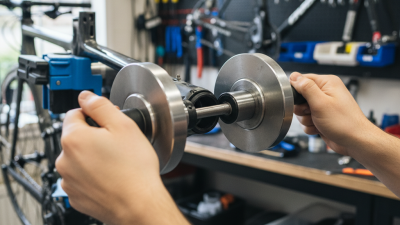
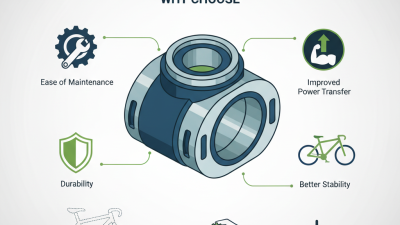
China remains a major manufacturing base for bicycle components, including threaded and press-fit bottom bracket systems. This guide examines leading Chinese suppliers of bb30 bottom bracket products, focusing on engineering capability, material control, testing, and export experience.
Industry reports support this sourcing focus. The China Bicycle Association’s annual industry information describes China as a central production and export hub for bicycles and components. Grand View Research’s 2024 bicycle market analysis also highlights continuing demand for lightweight, performance-oriented components. Meanwhile, the European Bicycle Industry and Market Profile 2023 shows strong consumer interest in higher-value bicycles and replacement parts. These findings suggest that supplier selection requires more than checking unit prices.
Small details matter.
A reliable supplier should explain shell width, bearing dimensions, spindle compatibility, sealing structure, and installation tolerances. Buyers should request test records for noise, bearing rotation, corrosion resistance, and fatigue performance. Factory audits can reveal whether machining, assembly, and packing occur under controlled procedures. Certifications may help, but documents should be verified against the actual production site. OEM experience, sample consistency, response speed, and warranty handling also deserve attention. No ranking is perfect; product quality can vary between batches, even within one factory. That is why this guide compares China-based suppliers through practical evidence rather than promotional claims. The goal is a clearer shortlist for brands, distributors, and bicycle manufacturers seeking dependable BB30 sourcing.
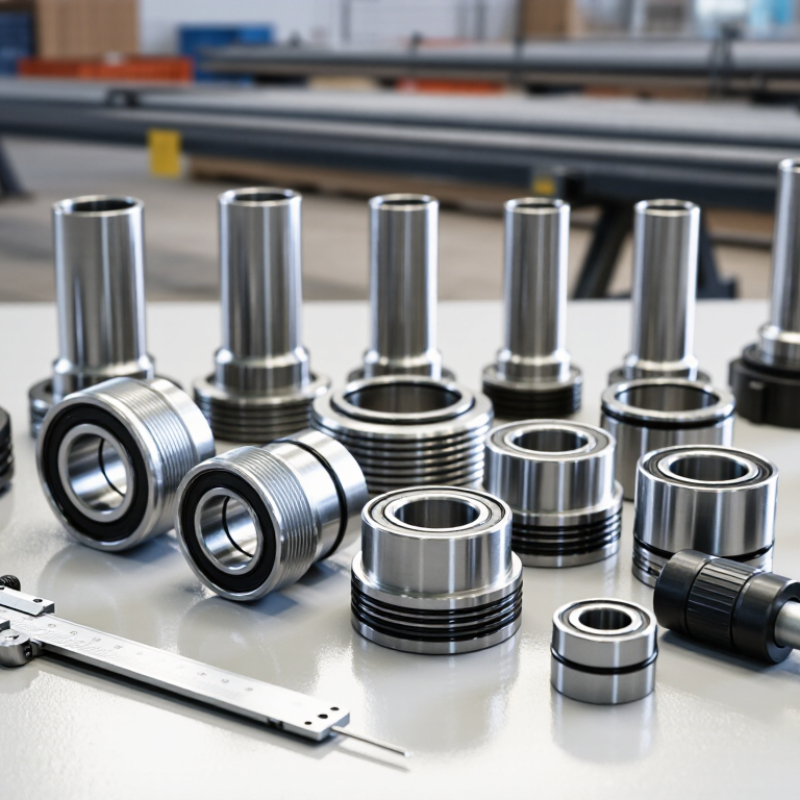
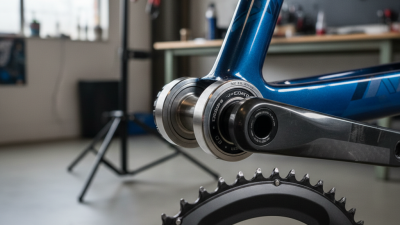
A BB30 bottom bracket is a press-fit bearing system for bicycle cranksets. It uses a 30 mm spindle and bearings fitted directly inside the frame shell. A standard road shell is usually 68 mm wide. Mountain bike versions often measure 73 mm. The shell commonly has a 42 mm internal diameter, accepting 6806-size bearings.
No threaded cups are used. That saves space and can reduce weight. However, installation requires accurate tools and careful alignment. A mechanic should measure the shell before pressing anything. Dust seals, spacers, and crank preload must match the frame and crankset. Small errors may cause clicking, uneven rotation, or rapid bearing wear. It looks simple.
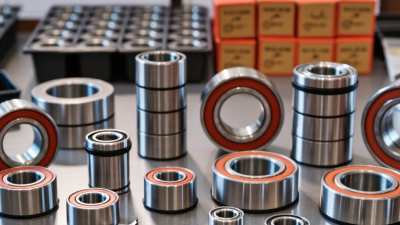
When comparing China-based BB30 suppliers, request drawings, tolerance data, bearing material details, and inspection records. Experienced suppliers should explain shell standards clearly, including the differences between BB30 and similar press-fit systems. Ask for sample units before placing a larger order. Check whether the bearing seats are smooth and concentric. I have found that low prices can hide inconsistent seals or weak preload spacers. That lesson is easy to overlook. Reliable production also needs traceable batches, controlled pressing force, and clear replacement support. A supplier may offer ceramic bearings, stainless options, or standard sealed bearings. The best choice depends on riding conditions, maintenance habits, and the frame manufacturer’s specifications.
When evaluating Chinese BB30 bottom bracket suppliers, start with dimensional accuracy. A reliable factory should understand the 42 mm shell diameter and common 68 mm or 73 mm shell widths. Ask for inspection records, tolerance data, and material certificates. These documents reveal more than attractive product photos. Confirm bearing seats, axle clearance, preload systems, and seal design against your frame and crank specifications.
Production control matters equally. Request a pre-production sample and test it with your actual crankset. Check installation force, rotation smoothness, noise, and bearing play after repeated use. Suppliers with calibrated gauges, batch traceability, and documented final inspections usually offer stronger reliability. Factory experience is useful, but it is not proof by itself. A sample may pass while a later batch drifts slightly.
Tips: Ask for a current quality certificate, inspection checklist, and corrosion test results. Verify whether the supplier controls machining and assembly internally. Clarify packaging, replacement parts, delivery records, and response times before placing an order. Small details matter. An on-site or independent audit can expose weak storage practices, mixed components, or inconsistent labeling. I would also repeat incoming inspections, because trust without verification can become an expensive habit.
China-based BB30 bottom bracket suppliers usually fall into several practical categories. Specialized manufacturers focus on bearing seats, shell dimensions, seals, and spindle compatibility. Their production teams often use CNC machining and controlled assembly lines. These suppliers suit buyers who need consistent tolerances and repeat orders. Ask for inspection records, not only product photos.
OEM and ODM factories offer more flexibility. They may adjust dust covers, bearing materials, colors, packaging, or preload systems. This option helps bicycle brands develop a specific configuration. However, customization can increase minimum order quantities and testing time. Confirm the drawing carefully. A small width error can create installation problems.
Integrated bicycle component suppliers provide bottom brackets alongside cranks, hubs, or related hardware. They can simplify purchasing and shipment coordination. Trading companies form another category. They may connect buyers with several factories and support export communication. Their technical depth can vary, so verify the actual production site. Request material certificates, sample measurements, torque guidance, and test results for water and dust resistance. Do not rely on one sample alone. Batch variation is possible. A supplier that answers quickly is not automatically reliable; clear records matter more. Some buyers overlook after-sales support, which is a mistake worth reconsidering. Availability of replacement bearings and stable packaging can influence long-term maintenance costs.
A reliable BB30 supplier should prove dimensions, materials, and testing results, not only offer a low quotation. BB30 usually requires a 42 mm shell diameter and a 30 mm spindle, but shell widths and crank interfaces still vary. Check the supplier’s inspection records for shell roundness, bearing-seat alignment, seal performance, and axle clearance. ISO 4210-2 provides useful bicycle safety principles, although it does not replace a dedicated bottom-bracket test. Grand View Research estimated the global bicycle market at over USD 70 billion in 2023. That scale increases demand, but it does not guarantee consistent component quality.
Compatibility deserves a physical check. Request samples for your exact frame, crankset, spacer arrangement, and riding conditions. Confirm whether the product is true BB30, press-fit compatible, or an adapter design. Compare bearing type, corrosion resistance, grease retention, and service life under load. Pricing should include tooling, sample charges, packaging, freight, inspection, and warranty support. A cheaper unit may become expensive after premature bearing noise or difficult returns. I once focused too heavily on unit price; the missing tolerance data mattered more than expected.
Tips: Ask for a dimension sheet, material certificate, batch inspection report, and replacement policy. Compare three landed-cost quotations. Keep one sample installed for several riding cycles before approving volume production. A polished factory audit is helpful, but it cannot replace hands-on fit testing.
Selecting a reliable China BB30 bottom bracket supplier starts with technical clarity. Confirm the shell width, axle standard, bearing size, and spacer requirements. Ask for a current technical drawing, material specification, and tolerance data. Do not rely on product photos alone. They hide important details. Small errors matter.
Request samples from the same production line used for regular orders. Inspect bearing movement, press-fit surfaces, seals, threads, and surface finish. Use calipers and a bore gauge to verify critical dimensions. Check whether the supplier records inspection results by batch. Traceable records show stronger process control. Also review test methods, packaging design, warranty terms, and response times. A polished certificate is useful, but it does not replace physical inspection.
Before signing a large contract, place a controlled trial order. Compare every sample with the approved drawing. Ask who handles defects and how quickly replacement parts ship. A remote factory audit can examine equipment, incoming material checks, and final packing. Independent inspection adds confidence when the order value is significant. Still, no audit is perfect. A supplier may perform well during one visit and struggle later. Keep written specifications, retain reference samples, and schedule periodic checks. Clear communication is evidence, too. Slow answers may reveal future friction. I would also question unusually low prices, because thinner seals or inconsistent alloys may create costs after installation. The best supplier is not always the cheapest; it is the one that repeatedly meets measurable requirements.
Before comparing suppliers, confirm that their technical drawings, inspection reports, and samples match the original BB30 dimensional references.
The reference dimensions are a 30 mm spindle diameter, 42 mm bottom-bracket shell inner diameter, and shell widths of 68 mm for road frames or 73 mm for MTB frames. When evaluating a supplier, request material specifications, dimensional inspection records, bearing and seal test results, sample approval, and traceable quality-control documentation.
This website uses cookies to ensure you get the best experience possible. Learn more.