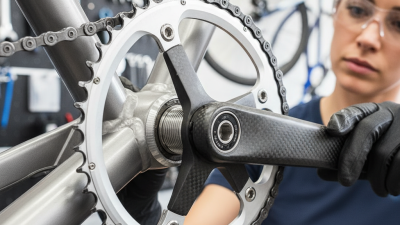
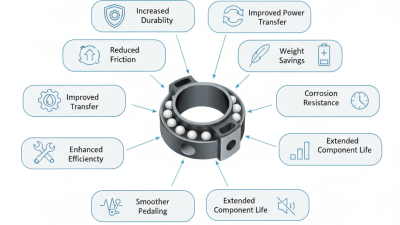
Choosing a China top 24mm bottom bracket requires more than comparing factory prices. It requires evidence. China Bicycle Association industry reports show China remains a major bicycle manufacturing center, with annual bicycle production exceeding 80 million units in recent years. That scale creates opportunities, but it also creates uneven quality between suppliers. Some factories machine precise bearing seats. Others mainly assemble imported components.
A 24mm bottom bracket must match the crank spindle, shell width, threading, sealing system, and installation standard. Shimano technical documentation and SRAM service manuals both stress compatibility before installation. ISO 4210 testing principles also remind buyers to examine fatigue resistance, safety, and component durability. Small differences matter. A 0.5-millimeter mismatch can cause rough rotation, noise, or premature bearing wear.
Calvin Jones of Park Tool describes the bottom bracket as “the bearing system that allows the crankset to rotate.” That simple sentence explains its importance. During supplier evaluation, request axle measurements, bearing specifications, salt-spray results, torque records, and batch inspection reports. Ask for samples from normal production, not specially prepared samples. Check the cup threads by hand. Spin the axle slowly. Listen for grinding.
Price still matters. It should not lead. A strong Chinese manufacturer should provide traceability, material certificates, replacement support, and clear warranty terms. One weakness remains: supplier claims can sound more precise than their testing evidence. Therefore, this guide examines how to verify a 24mm bottom bracket before purchase, while recognizing that even experienced buyers can overlook small interface details.
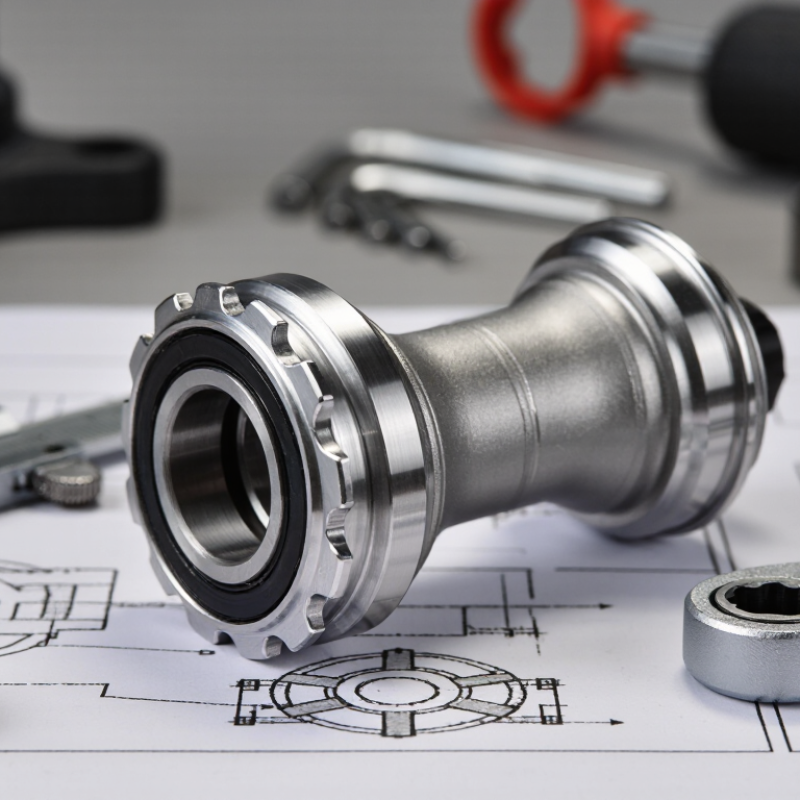
A 24 mm bottom bracket is defined mainly by its spindle interface, not by one universal shell shape. The spindle is nominally 24 millimeters in diameter. That sounds simple. It is not. Frame standards still vary in shell width, threading, and bearing placement. A threaded shell and a press-fit shell require different cups, tolerances, and installation methods.
Before choosing a China-made 24 mm bottom bracket, identify the frame shell standard. Measure the shell width with a caliper, then confirm its internal diameter or thread specification. Check the crankset’s spindle length and required spacers. Do not rely on photos alone. A precise supplier should provide dimensional drawings, bearing data, sealing details, and inspection records. Ask how the cups are checked after machining. Small errors can create noise or uneven preload.
A reliable unit should rotate smoothly without side play. The seals should resist water and fine road dust without excessive drag. In practical workshop checks, bearing smoothness can change after installation. This is an important limitation. A dry test is not enough. Inspect the contact surfaces, torque the cups correctly, and recheck movement after the first rides. Ceramic-looking surfaces may attract attention, but accurate fits and consistent quality control matter more. If the supplier cannot explain tolerance control, material treatment, and replacement procedures, the product deserves closer review.
A 24mm bottom bracket is selected by matching the crank spindle diameter with the bicycle frame’s shell standard. The spindle is nominally 24mm, while shell width and installation type vary by frame design.
Common 24mm-compatible frame standards include threaded BSA shells at 68mm and 73mm, plus press-fit BB86 and BB92 shells at approximately 86.5mm and 92mm. Before choosing a bottom bracket, verify the frame shell width, installation method, bearing position, spacer requirements, and crank manufacturer’s compatibility specifications.
How to Choose a China Top 24mm Bottom Bracket?
A 24mm bottom bracket must match the frame shell before bearing quality is considered. Threaded shells, commonly using a BSA-style interface, are practical for repeated servicing. Press-fit shells can reduce external width, but their tolerances need closer inspection. A loose fit may cause creaking. That sound is not always a bearing failure.
Shell width matters. Measure the frame with a caliper, not a ruler. Check the spindle length, spacer position, and crank manufacturer’s instructions. A 24mm spindle should rotate freely without side play. In workshop checks, I also inspect cup alignment and thread cleanliness. Small errors become obvious after a wet, dusty ride. I once blamed damaged bearings for noise caused by an uneven shell face. That mistake still influences my inspection process.
Tips: Choose sealed cartridge bearings for ordinary road and commuting use. They resist dust and simplify replacement. Angular-contact bearings can manage higher side loads, but they require careful preload adjustment. Ceramic options may sound attractive, yet correct installation usually matters more than material claims. Ask the supplier for shell compatibility, bearing dimensions, sealing details, torque guidance, and inspection records. Request sample testing when possible. A clean seal, smooth rotation, and stable preload are stronger evidence than polished packaging.
Choosing a China Top 24mm Bottom Bracket starts with compatibility, not appearance. A 24mm spindle does not guarantee a correct fit. Check your bicycle’s bottom bracket shell width, diameter, and threading before ordering. Common shell widths include 68mm and 73mm, but some frames use press-fit designs. Thread direction matters too.
Then inspect the crankset carefully. Confirm that its spindle is truly 24mm and designed for the selected bearing arrangement. Measure the spindle length, crank arm clearance, and required spacers. A bottom bracket with the wrong width can shift the chainline, causing noisy gears or uneven wear. It may also leave the crank too tight against the bearings.
I once installed a unit that seemed correct because the threads matched. The crank still felt rough. The actual problem was an unneeded spacer and excessive preload. Small details matter. Check the manufacturer’s technical dimensions, sealing design, bearing material, and recommended torque. Rotate the bearings by hand before installation; grinding or side play deserves attention. After fitting, tighten the cups evenly and test the crank for lateral movement. Recheck it after the first few rides. My measurements were not perfect the first time, so photographing the original setup can prevent repeated mistakes. A reliable supplier should provide clear tolerances, installation guidance, and inspection information.
How to Choose a China Top 24mm Bottom Bracket?
Material choice sets the foundation. A 24mm spindle needs accurately machined steel or aluminum cups. Steel usually tolerates repeated impacts better, while aluminum reduces weight but may mark easily during installation. ISO 281:2007 calculates bearing life through load rating, speed, and operating load. It does not predict every muddy commute. Real riding remains messier.
Sealing deserves equal attention. Look for double-lip seals, consistent contact pressure, and grease that remains stable across temperature changes. A 2023 European bicycle market profile reported more than 10 million bicycle sales across surveyed markets. Such volume increases the importance of repeatable factory inspection. Check bearing smoothness, cup alignment, and spindle play before fitting. ISO 4210-2:2015 provides useful bicycle safety testing principles, but it cannot replace practical long-term testing. I once trusted a smooth dry bearing too quickly. That was a mistake.
Tips: Ask for salt-spray results, bearing clearance data, and measured seal drag. Confirm the 24mm spindle standard before ordering. Spin the installed crank by hand. Roughness matters. After wet rides, inspect for rust-colored grease or side movement. Ceramic-looking finishes may impress, but sealing and tolerances usually decide durability. A slightly heavier unit can perform better when its seals keep water away. Reliability is not always visible.
A practical specification guide for evaluating unbranded 24 mm bottom brackets for road, gravel, mountain, and commuting applications.
| Evaluation Dimension | Recommended Specification or Benchmark | Why It Matters for a 24 mm Bottom Bracket | How to Verify Before Purchase |
|---|---|---|---|
| Spindle Material |
Preferred Heat-treated chromium-molybdenum steel or equivalent alloy steel, with a ground 24.00 mm nominal diameter. |
A steel spindle provides high fatigue strength and resists bending under pedaling loads. The diameter must remain consistent to ensure correct crank-arm engagement. | Request the material designation, hardness range, dimensional tolerance, and a measured spindle-diameter inspection report. |
| Bottom Bracket Shell |
Preferred CNC-machined or forged 6061-T6 aluminum alloy shell with an anodized or corrosion-resistant surface. |
Aluminum alloy keeps weight low while providing adequate structural stiffness. Proper machining helps maintain bearing alignment and thread accuracy. | Confirm alloy grade, shell straightness, thread quality, surface treatment, and the presence of burr-free bearing seats. |
| Bearing Type | Sealed cartridge bearings with hardened steel races and corrosion-resistant bearing balls. Common bearing sizes should be identified clearly. | Sealed cartridge bearings reduce contamination from dust and water while allowing replacement without replacing the entire shell. | Ask for bearing dimensions, internal clearance, load rating, grease type, and whether the bearings are replaceable. |
| Bearing Clearance | Standard internal clearance suitable for bicycle use, normally selected by the bearing manufacturer for low-speed, oscillating, and rotating loads. | Excessive clearance can cause play and noise, while insufficient clearance may increase friction after installation or temperature changes. | Check for smooth rotation without roughness or side play after installation. Do not judge quality only by free-spin speed. |
| Outer Sealing | Dual-lip contact seals made from NBR or an equivalent elastomer, supplemented by external dust covers or spacers. | Contact seals provide better protection against water and mud than non-contact shields, although they may create slightly more drag. | Inspect seal continuity, lip contact, seal compression, and the gap between the seal and rotating spacer. |
| Water and Dust Protection | A clearly stated laboratory rating or test method; for bicycle use, practical protection should include water-spray and dust-contamination testing. | Bottom brackets are exposed to road spray, cleaning water, mud, and moisture migrating through the frame or crank area. | Request test conditions, spray duration, dust exposure, and post-test bearing torque or roughness results rather than relying only on an IP label. |
| Grease and Lubrication | Water-resistant bicycle or industrial grease with a service temperature range of approximately -20°C to 100°C or wider. | Suitable grease helps reduce wear, corrosion, and noise. Excessive grease can increase seal drag, while insufficient grease accelerates bearing damage. | Request the grease type, operating-temperature range, fill quantity, and compatibility with the seal material. |
| Shell Compatibility | Correct match for the frame standard, such as threaded 68 mm or 73 mm shells, or the specific press-fit shell width and diameter. | A 24 mm spindle does not determine frame-shell compatibility. Incorrect shell width or interface dimensions can cause poor chainline, preload problems, and premature bearing wear. | Confirm shell width, thread standard or press-fit dimensions, spacer arrangement, chainline requirement, and crankset instructions. |
| Preload and Spacers | Positive preload adjustment with accurately sized spacers, wave washers, or seals as required by the crankset and frame standard. | Correct preload removes unwanted axial play without overloading the bearings. Spacer errors are a common cause of noise and rough rotation. | Verify the supplied spacer set, installation sequence, preload-adjuster function, and final crank rotation after tightening. |
| Thread and Press-Fit Accuracy | Clean, concentric threads for threaded shells or controlled outside diameter and roundness for press-fit systems. | Poor interface accuracy can create creaking, misalignment, uneven bearing loading, and difficult installation or removal. | Request thread gauges or dimensional inspection data. For press-fit products, confirm tolerance and surface finish requirements. |
| Corrosion Resistance | Stainless or corrosion-protected bearing components, anodized aluminum surfaces, and anti-corrosion treatment on exposed steel parts. | Corrosion can damage bearing races, weaken seals, increase friction, and make later removal difficult. | Ask for salt-spray or humidity-test data, coating specifications, and photographs of the spindle and bearing areas after testing. |
| Durability Testing | Documented rotating-load, contamination, water-spray, and endurance testing. A useful comparison should report the load, speed, duration, and failure criteria. | A simple spin test cannot represent real cycling loads. Fatigue, contamination, seal wear, and preload stability are more important for service life. | Request test reports with sample quantity, test setup, applied load, rotation speed, environmental conditions, and post-test inspection results. |
| Performance Indicators | Smooth rotation, no detectable side play, stable preload, low creaking risk, and consistent resistance after installation. | Performance depends on alignment, bearing condition, sealing, grease, crank interface, and installation torque—not on bearing type alone. | Inspect before installation, measure axial play after installation, and perform a controlled ride test under seated and standing loads. |
| Weight Target | Approximately 80–150 g for many threaded 24 mm assemblies, depending on shell design, seals, spacers, and bearing configuration. | Lower weight can be beneficial, but removing sealing material or shell strength may reduce durability. Weight should not be the primary selection criterion. | Compare complete installed-system weight, including spacers, seals, and preload components, rather than shell-only weight. |
| Installation and Service | Clearly defined tool interface, documented tightening torque, replaceable bearings where practical, and service parts available. | Correct installation is essential for bearing life. Serviceable designs can reduce long-term cost and avoid unnecessary replacement of usable components. | Review the installation manual, required tools, torque values, removal method, replacement-bearing specification, and spare-part availability. |
| Overall Selection Priority |
1. Correct frame and crank compatibility 2. Bearing alignment and sealing 3. Spindle strength and dimensional accuracy 4. Durability evidence 5. Weight and cosmetic finish |
Compatibility and protection have a greater effect on reliability than appearance or small weight differences. | Choose the product with complete technical documentation, traceable inspection data, consistent samples, and a clear quality-control process. |
Note: Performance and service life vary with frame alignment, crank preload, installation torque, riding conditions, cleaning methods, and maintenance. The numerical ranges above are practical evaluation benchmarks and should be confirmed against the specific crankset and frame specifications.
Selecting a reliable China manufacturer requires more than comparing prices. A strong supplier should provide clear drawings, material specifications, and inspection records. Ask whether the 24mm axle standard matches your crankset and frame shell. Small dimensional errors can create noise, play, or difficult installation.
Request production samples before placing a larger order. Check bearing smoothness, seal contact, thread quality, and spacer fit by hand. Then test the unit under repeated rotation and contamination conditions. Ask for tolerance data, batch identification, and a documented quality-control process. A manufacturer with experienced engineers should explain its testing methods without vague promises. Photos are useful, but measured reports are more trustworthy.
Look closely at the factory’s consistency. One excellent sample proves little. Review several samples from different production batches. I have seen attractive packaging hide uneven bearing pressure and weak sealing. That mistake was expensive to correct. Even experienced buyers can overlook frame compatibility or assembly torque. Leave room for independent inspection when the order is important. A dependable supplier accepts technical questions, communicates limitations, and responds clearly when a sample fails. Cost still matters, but unstable quality can cost more through returns, delays, and damaged customer confidence.
This website uses cookies to ensure you get the best experience possible. Learn more.